 Français
 English



Miss Choco Traces Cocoa Origins Deeply
Miss Choco began as a Parisian venture dedicated to single-origin, bean to bar chocolate, founded by a team with backgrounds in culinary arts and sustainable sourcing. The core mission combined transparent sourcing, sensory precision, and social responsibility. The boutique is now closed, but the sourcing practices and documented relationships continue to serve as a reference for ethical chocolate makers and curious consumers.
Founding, Mission, and Why Bean to Bar Matters
Founded in 2014 by professionals trained in pastry and international trade, Miss Choco prioritized direct sourcing and small-batch production. The mission stated commitment to traceability, paying premiums above market for quality beans, and promoting varietal diversity. Bean to bar matters because it reconnects chocolate flavor with origin, removes opaque middlemen, and enables craft control over fermentation, roasting, and conching, which are decisive for final aroma and texture.
Sourcing: Farmers, Regions, and Varieties
First encounters with cocoa growers took place during field visits to West Africa in 2015 and Ecuador and Madagascar in 2016. Selection criteria emphasized agroecological diversity, consistent post-harvest practices, and willingness to engage in direct trade. Partner profiles focused on smallholder cooperatives and family-run plots located in known flavor regions: the Sambirano valley of Madagascar, central highlands of Ecuador, the Piura region of Peru, and established producing zones in Ghana and Ivory Coast. Varietal strategy favored Nacional and Trinitario types along with local ecotypes that show unique fruit, floral, or nutty profiles. For large-volume Forastero beans from Ivory Coast and Ghana, the emphasis was on improving fermentation and drying to elevate quality.
Before the table below, the following summary explains key origin attributes and practical choices that influenced sourcing decisions. The table compiles primary origin characteristics used to match processing profiles in the Paris atelier.
| Origin country | Region or belt | Typical varietal notes | Altitude range (m) | Fermentation practice | Drying method | Quality target (defects per 300g) |
|---|---|---|---|---|---|---|
| Madagascar | Sambirano valley | Citrus, red fruit, high acidity | 100–400 | 4–6 day wooden box | Sun on raised racks | ≤5 |
| Ecuador | Los Ríos, Guayas | Floral, honeyed (Nacional) | 50–900 | 3–5 day heap/box | Sun on tarps and racks | ≤4 |
| Peru | Piura | Stone fruit, creamy body | 200–800 | 4–6 day box with turning | Sun on racks | ≤6 |
| Ghana | Western, Central | Cocoa-butter rich, cocoa aroma | 0–300 | 3–4 day heap/box | Artificial dryers + sun | ≤8 |
| Ivory Coast | Sassandra, Nawa | Robust chocolate base, earthy | 0–300 | 2–4 day heap | Sun, often accelerated | ≤10 |
Following the comparison, sourcing emphasized adaptability: fermentation protocols were jointly refined with producers to reduce acidity or develop floral notes depending on varietal expression. Direct trade relationships focused on multi-year contracts coupled with training in post-harvest handling.
Post-Harvest Practices, Transport, and Atelier Craft
Harvesting practices prioritized selective pod opening and immediate pulp management. Fermentation innovations introduced by Miss Choco included adjustable airflow wooden boxes and controlled turning schedules to reduce vegetal off-notes and promote desirable precursors for Maillard reactions during roasting. Drying methods varied by origin; raised racks in Madagascar reduced mold risk while Ghanaian lots sometimes required artificial drying during rainy seasons. Consistent moisture targets at export (≤7.5%) were enforced through sampling and handheld moisture meters.
Transport from origin to the Paris atelier involved consolidated shipments through major ports: Abidjan, Tema, Guayaquil, and Tamatave. Common importing challenges included phytosanitary inspections, variable paperwork on origin traceability, and seasonal freight surcharges. Solutions adopted were staggered purchases to smooth cash flow, cold storage before shipping for high-moisture lots, and contracts with logistic providers experienced in specialty cocoa.
Bean quality assessment relied on cut tests, moisture checks, and sensory cuppings upon arrival. Roasting profiles were designed per lot, with roasts ranging from 12 to 18 minutes at 120–150°C depending on bean size and desired acidity attenuation. Small-batch experiments informed conching times and particle size targets to preserve volatile aromatics while producing a smooth mouthfeel.
Bean to bar processing in the atelier followed stepwise control: winnowing, nib grinding, refining, conching, tempering, and molding. Recipe development used controlled micro-batches, adjusting sugar ratios, inclusion of single-origin milk powders, or salt to highlight specific origin notes. Traceability stickers documented origin, fermentation duration, and roast profile for each chocolate bar sold.
Social, Environmental Impact, and Legacy
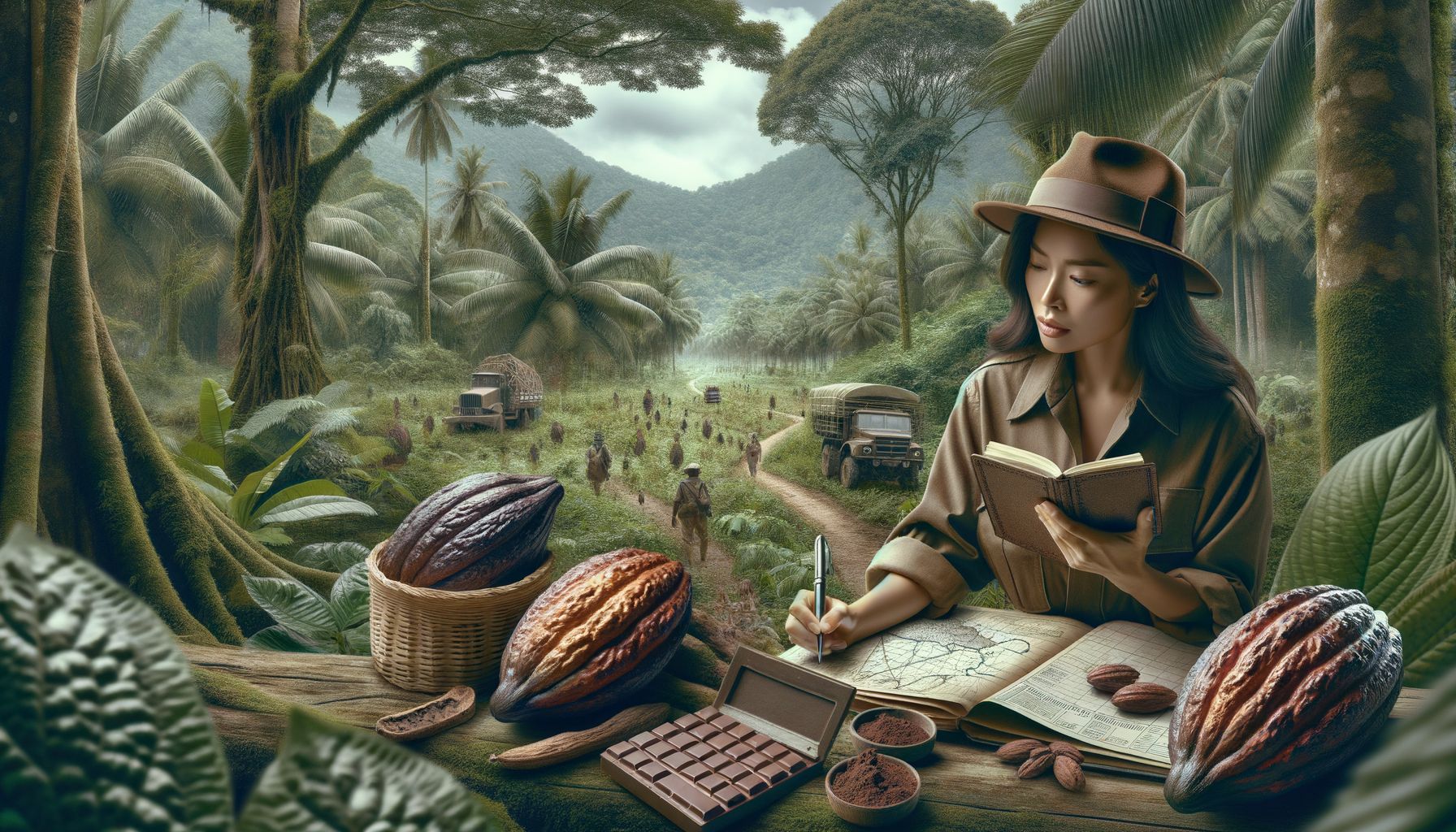
Direct trade agreements included living income top-ups and investment in community projects, such as water filtration and school materials. Educational outreach in France focused on tasting workshops and farm visit reports to raise consumer awareness about sourcing realities. Collaborations with local chocolatiers and NGOs supported training in fermentation and sustainable shade management.
Pricing and economics balanced premiums with production costs: specialty beans commanded three to five times the commodity price per tonne, while small-batch atelier production added processing costs of roughly €10–€20 per kilogram of finished chocolate, depending on bar size and packaging. Impact stories documented increased incomes for producers who adopted improved fermentation and drying, with measurable quality upgrades leading to higher premiums.
After the boutique closure, documentary resources, origin notes, and protocol templates remained publicly accessible as an educational archive. The ongoing influence is visible in other European micro-producers adopting similar direct trade frameworks and transparent origin labeling. Challenges faced included logistical volatility, climate-driven fermentation variability, and market education costs. Adaptations involved shifting some sourcing to seasonal contracts and sharing best practices through translated manuals and recorded training sessions, ensuring that the work initiated by Miss Choco continues to inform ethical, flavor-driven chocolate production.